On this page
- 01What's Really in a Halal Burger? A Complete Breakdown
- 02The Meat Makes the Difference
- 03Beyond the Patty: The Supporting Cast
- 04The Sauce Situation
- 05What's Definitely Out
- 06Does It Taste Different?
- 07The Certification Process
- 08Why the Growing Popularity?
- 09The Bottom Line
- 10Is Your Product Ready for Halal Certification?
- 11Start With the Needs Assessment
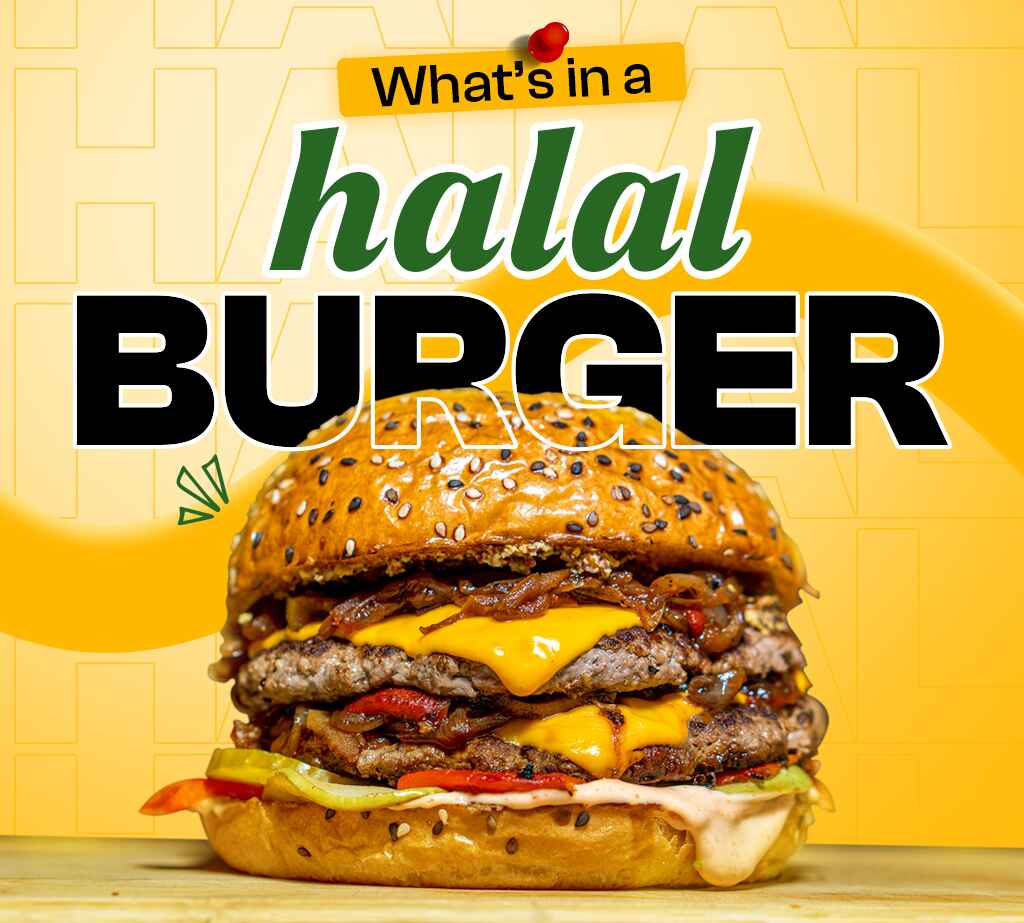
What's Really in a Halal Burger? A Complete Breakdown
Summary
A halal burger uses meat from animals slaughtered according to Islamic guidelines and includes only ingredients verified as halal. The main concern is the source of meat and potential cross-contamination in mixed kitchens. Always check that the burger is labeled halal and certified by a trusted authority.
Walk into any halal burger joint, and you’ll notice something interesting: the menu looks pretty familiar. There’s your classic cheeseburger, maybe a spicy chicken option, some loaded fries on the side. But what exactly makes these burgers “halal,” and does it change what you’re actually eating?
The Meat Makes the Difference
Here’s where halal burgers diverge from your standard fast-food fare. The meat—whether it’s beef, chicken, lamb, or turkey—comes from animals raised and slaughtered according to Islamic law. This isn’t just ceremonial. The process involves a trained Muslim slaughterer, a specific method of cutting, and particular prayers. Blood must be fully drained from the carcass, which many argue contributes to cleaner-tasting meat.
The animals themselves must be treated humanely throughout their lives. They should be healthy at the time of slaughter and given water before the process begins. It’s a system that prioritizes both religious observance and animal welfare, though standards can vary between certifiers.
Beyond the Patty: The Supporting Cast
A burger is more than just meat between bread, and that’s where things get detailed.
The bun seems innocent enough—flour, water, yeast, maybe some sugar. But commercial buns often contain additives, emulsifiers, or dairy products. In a halal burger, these ingredients must come from halal sources. That milk powder or dairy additive should be halal-certified. Even the mono and diglycerides (common bread softeners) need verification since they can be derived from animal fats.
Cheese presents its own challenge. Most cheese is made using rennet, an enzyme that helps milk coagulate. Traditional rennet comes from calf stomach lining—which means the calf must have been halal-slaughtered for the cheese to be halal. Many producers now use microbial or vegetable rennet, which simplifies things considerably.
Vegetables and fresh toppings are straightforward. Your lettuce, tomatoes, onions, and pickles don’t require special certification. However, some processed toppings or pickles might include additives that need to be verified.
The Sauce Situation
This is where many people don’t expect complications. Some sauces, glazes, or dressings may contain alcohol as a flavor carrier or preservative. Halal establishments either make their sauces from scratch or purchase from certified suppliers who’ve verified every ingredient, including flavoring extracts.
No wine reductions, no beer-battered ingredients, and no vanilla extract made with alcohol (they use glycerin-based alternatives instead).
What's Definitely Out
Certain things will never appear in a halal burger, no matter how trendy they become. Pork in any form is prohibited in Islamic dietary law. That means no bacon, no lard in the bun, and no gelatin from pork in desserts.
Alcohol is also forbidden, which rules out beer-infused patties, bourbon glazes, or sauces containing wine. Some restaurants avoid even non-alcoholic beer since it can still contain trace amounts of alcohol.
Does It Taste Different?
Honestly, not much. The meat draining process might slightly change texture—some find halal meat a bit firmer—but taste differences mostly depend on the recipe and cooking skill, not the certification.
In fact, halal burger places often make their sauces and seasonings from scratch, which can lead to fresher, cleaner flavors overall.
The Certification Process
Not every Muslim-owned restaurant serves halal food, and not every halal restaurant is Muslim-owned. Halal Certification comes from Islamic organizations that inspect suppliers, review ingredients, and check for cross-contamination with non-halal items.
Different certifiers have different standards. Some review every ingredient, while others focus mainly on the meat. If you’re ordering for someone who’s strict about halal compliance, it’s worth asking who certified the restaurant.
Why the Growing Popularity?
The halal food market has expanded well beyond Muslim consumers. Some people appreciate the animal welfare standards. Others like knowing their food has been carefully checked. Even non-Muslims often choose halal for its cleaner sourcing and ingredient transparency.
The Bottom Line
A halal burger isn’t a new kind of burger—it’s just one prepared with more care about what goes in it. The difference lies in sourcing, preparation, and the commitment to avoiding prohibited ingredients.
Whether you choose halal for faith, ethics, or peace of mind, you’re getting a burger made with clarity and responsibility in mind.
Is Your Product Ready for Halal Certification?
Start With the Needs Assessment
Discover if your ingredients, processes, and facilities align with Islamic dietary laws.
Start your Needs Assessment now to begin scope review.
