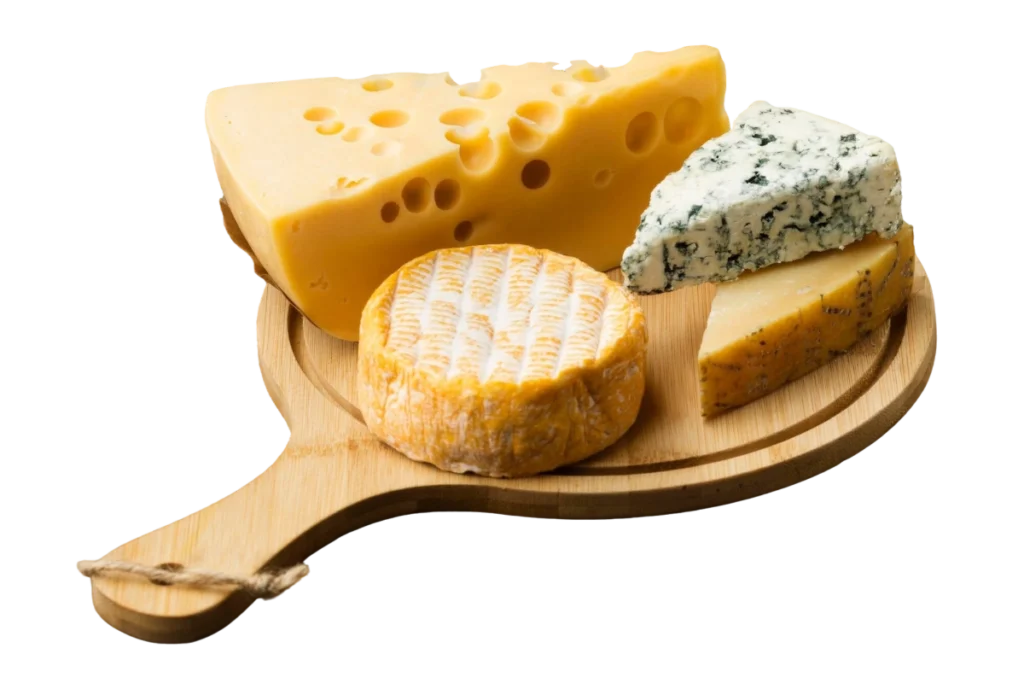
Halal Certification for Cheese & Dairy

Halal certification dairy products is a formal audit process that verifies milk, cheese, yogurt, butter, and dairy ingredients comply with Islamic dietary law at every stage of production. From farm inputs to enzymes, sanitation, and labeling, dairy halal certification confirms that your products meet recognized Shariah compliance standards.

For manufacturers serving Muslim consumers, halal dairy compliance supports retail acceptance, export approvals, and brand credibility. Our audit-backed halal dairy product audit framework delivers internationally recognized certification with full documentation support.

Halal Certification for Dairy Products

Halal certification dairy products is an independent third-party verification that confirms ingredients, processing aids, dairy manufacturing hygiene, and labeling meet Islamic dietary law. Certification is granted after documentary review, on-site dairy facility halal inspection, and ongoing surveillance audits.

Unlike self-declaration, certified dairy halal certification requires approval from a recognized halal standards authority. The result is a certificate and halal mark accepted in regulated global markets.

What Dairy Products Require Halal Certification?

Any dairy item sold in certified retail, food service, private label, or export channels should undergo halal dairy compliance review. Risk levels vary depending on ingredients and processing methods.

Cheese and Cheese Products

Cheese halal certification focuses primarily on rennet and enzyme sourcing. If rennet is derived from an animal not slaughtered according to Shariah compliance, the cheese is not permissible.

Products requiring review include:

  • Hard cheeses such as cheddar and parmesan
  • Soft cheeses such as mozzarella and cream cheese
  • Processed and blended cheeses
  • Specialty and aged varieties

Full dairy ingredient verification is essential for rennet, lipase, and starter cultures.

Milk and Dairy Beverages

Milk halal verification includes farm-level feed review and cross-contamination controls at processing facilities. Fresh milk, UHT milk, flavored milk, and dairy beverages must demonstrate dairy supply chain traceability from farm to packaging.

Where shared lines exist, documented cleaning validation is required to control dairy cross-contamination risk.

Yogurt and Cultured Dairy

A yogurt halal audit evaluates bacterial starter cultures and growth media. Cultures may be propagated on non-halal substrates or preserved using alcohol-based solutions.

Products in this category include:

  • Yogurt and probiotic drinks
  • Kefir
  • Sour cream
  • Cultured buttermilk

Each input must undergo dairy ingredient verification to confirm permissibility.

Cream, Butter, and Dairy Fats

Cream and butter halal standards address animal feed compliance and additive review. Emulsifiers, stabilizers, and flavor systems are assessed under permissible and prohibited dairy additives guidelines.

Dairy Ingredients and Powders

Whey protein, lactose, milk powders, and dairy-derived flavor systems are widely used by other manufacturers. Certified dairy labeling requirements and halal ingredient traceability enable B2B acceptance within certified supply chains.

What Are the Main Halal Dairy Compliance Requirements?

Halal dairy compliance requirements focus on ingredient origin, processing controls, sanitation protocols, and traceability systems.

1. Rennet Verification

Rennet must originate from halal-slaughtered animals or approved microbial or plant sources. Documentation must confirm source and processing method.

2. Enzymes and Lipase

Lipase permissibility depends entirely on origin. Animal-derived lipase must come from halal-slaughtered sources. Microbial production must exclude haram cross-contaminants.

3. Bacterial Culture Review

Starter cultures are reviewed for growth media composition and production protocols. Alcohol-based preservatives or non-halal substrates are assessed during the halal dairy product audit.

4. Animal Feed and Jallalah Compliance

Islamic jurisprudence restricts milk from animals consuming impure feed beyond accepted thresholds. Feed composition records support compliance evaluation.

5. Cross-Contamination Controls

Facilities producing halal and non-halal lines must implement validated changeover procedures. Cleaning must remove visible traces of impurity in line with dairy processing protocols and Islamic standards.

How Does the Halal Dairy Product Audit Work?

The halal dairy product audit follows a structured, transparent pathway.

Application and Documentation Review

Manufacturers submit:

You can review our certification steps for dairy to understand the full pathway.

Ingredient and Supply Chain Verification

Every additive, enzyme, and culture is traced to source. This stage establishes halal ingredient traceability and confirms dairy supply chain traceability from farm through processing.

Dairy Facility Halal Inspection

A formal dairy facility inspection evaluates:

This inspection aligns with defined dairy facility inspection criteria and halal standards authority guidelines.

Certification Issuance and Surveillance

Upon successful review, certification is issued with guidance on certified dairy labeling requirements. Ongoing surveillance audits maintain compliance and support renewal.

Learn more about the dairy audit process for detailed audit stages.

How Long Does Dairy Halal Certification Take?

Most dairy halal certification applications are completed within four to eight weeks once documentation is submitted. Timelines vary based on facility size and supply chain complexity.

Certificates are valid for one year, subject to annual renewal and surveillance audits.

What Documentation Is Required for Dairy Compliance?

Documentation typically includes:

  • Ingredient specifications for all inputs
  • Supplier halal certificates or declarations
  • Animal feed composition records
  • Cleaning and sanitation logs
  • Production flow diagrams
  • Quality assurance procedures

These records demonstrate compliance with ingredient & sanitation requirements and support audit readiness.

Do Dairy Farmers Need Halal Certification?

Farm-level certification is required when milk is marketed directly under a halal brand or when feed records cannot be verified through standard documentation.

Processors are responsible for obtaining feed data from suppliers. Where documentation gaps exist, direct farm certification may be necessary to complete the halal dairy compliance review.

Is Dairy Halal Certification Recognized Internationally?

Yes. Certified dairy halal certification issued by a recognized halal standards authority is accepted across GCC countries, Southeast Asia, the United Kingdom, and North America.

Export markets may apply additional labeling or documentation rules. Our team provides guidance aligned with pricing for dairy halal compliance and market-specific regulatory expectations.

For broader service support, explore all halal certification services available to manufacturers.

What Is the Cost of Dairy Halal Certification?

Costs vary depending on product range, facility size, and supply chain complexity. Multi-line facilities may consolidate audits under one engagement.

You can request a dairy certification cost estimate to receive a tailored proposal based on your operation.

Why Work With Halal Watch World?

  • Specialist expertise in dairy halal compliance
  • Detailed dairy facility halal inspection protocols
  • Full dairy supply chain traceability review
  • Audit-backed compliance documentation support
  • Ongoing surveillance audits
  • International recognition across major export markets

Get dairy product compliance guidance from a team experienced in Shariah compliance, quality assurance procedures, and real-world dairy processing protocols.

Is Your Product Ready for Halal Certification?

Get a Free Expert Evaluation Today

Discover if your ingredients, processes, and facilities align with Islamic dietary laws.
Start your Free Halal Compliance Check now — no obligation!

Certification Process

The halal certification in Cheese & Dairy can be done through the following process:

Make Contact

Connect with our dairy certification specialists. Tell us about your product range, production volumes, and target markets. We will identify the scope of certification needed and answer any initial compliance questions.

accept proposal

Review and approve the customized halal dairy compliance certification plan prepared for your operation, including audit scope, timelines, and pricing.

down payment

Confirm your application with the initial payment. Your dedicated certification coordinator is assigned at this stage and remains your single point of contact throughout the process.

Submit docs

Share product recipes, full ingredient specifications, supplier halal certificates, feed composition records, and facility documentation. Our team provides a structured checklist and documentation support to streamline submission.

audit

Our qualified auditors conduct an on-site dairy facility halal inspection, verifying that equipment, segregation, cleaning protocols, and quality assurance procedures match documented standards. Ingredient and supply chain verification is completed in parallel.

halal certify

Upon successful completion, your internationally recognized halal certificate is issued. You receive certified dairy labeling requirements guidance, ongoing surveillance audit scheduling, and immediate access to compliance support for any future questions.

FAQs

What is halal certification for dairy?

Halal certification dairy products is a third-party audit that verifies ingredients, animal feed inputs, processing aids, sanitation systems, and labeling comply with Islamic dietary law. Certification is issued after documentation review and dairy facility inspection by a recognized authority.

Do all dairy products need certification?

Not all dairy items carry equal compliance risk. However, products sold in certified halal retail, export, or food service channels require formal dairy halal certification, especially cheese, cultured products, and dairy-derived ingredients.

How is a dairy facility audited?

A dairy facility halal inspection reviews ingredient sourcing, equipment cleaning validation, segregation controls, staff training, and quality assurance procedures. Inspectors verify that documented dairy processing protocols are followed during production.

What documentation is required for dairy compliance?

Manufacturers must provide ingredient specifications, supplier halal certificates, feed composition records, sanitation logs, production flow diagrams, and quality assurance procedures. These documents establish halal ingredient traceability and audit readiness.

Are additives and cultures reviewed?

Yes. Permissible and prohibited dairy additives, including rennet, lipase, emulsifiers, flavor systems, and bacterial cultures, are individually verified for source and production method during the halal dairy product audit.

Can multiple dairy lines be certified together?

Yes. Multiple dairy product lines can be reviewed under one certification engagement. Each product is assessed individually, while facility inspection and supply chain verification are consolidated to reduce duplication.

How long is the dairy halal certificate valid?

Dairy halal certification is generally valid for one year. Annual renewal and surveillance audits are required to maintain continuous halal dairy compliance.

Testimonials