On this page
- 01Halal Pet Food: The Emerging Market That's Redefining Pet Care
- 02Understanding the Basics: What Makes Pet Food Halal?
- 03The Religious Question: Do Pets Need Halal Food?
- 04Is It Halal to Purchase Haram?
- 05Market Reality: Where Halal Pet Food Stands Today
- 06The Manufacturing Challenge
- 07Business Opportunities and Market Differentiation
- 08Looking Forward: Where This Market Is Headed
- 09The Cultural Significance Beyond Commerce
- 10Conclusion
- 11Is Your Product Ready for Halal Certification?
- 12Start With the Needs Assessment
Halal Pet Food: The Emerging Market That's Redefining Pet Care
Summary
Most scholars agree that animals do not share the same dietary restrictions as humans, and thus feeding them non halal food is not inherently impermissible. However, there is a difference of opinion on whether Muslims may purchase such food, since trading in items forbidden for human consumption is generally discouraged. Halal Watch World’s position follows the Hanafi view that it is permissible when feeding serves a clear utility, such as caring for or benefiting from pets, even if the food itself is not halal for humans.
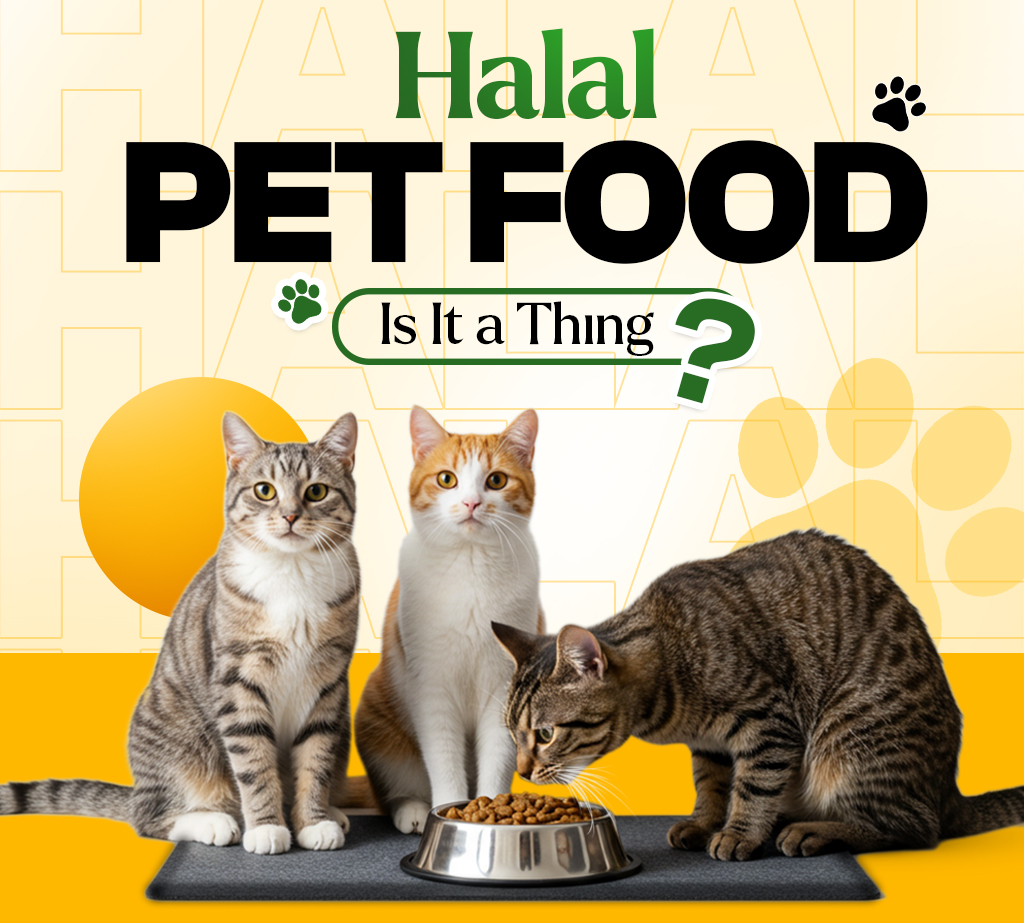
Walk into any pet store in Jakarta, Kuala Lumpur, or increasingly in London’s East End, and you might spot something that would have seemed unusual a decade ago: pet food packages bearing halal food certification stamps. This isn’t just marketing gimmickry. It represents a genuine shift in how Muslim pet owners think about their responsibilities to their animals and their faith.
The pet food industry has always been inventive, giving us everything from grain-free kibble to artisanal organic treats. But halal pet food? That’s touching on something deeper than dietary trends. It’s where religious conviction meets modern pet ownership, and the results are fascinating from both cultural and commercial perspectives.
Understanding the Basics: What Makes Pet Food Halal?
Before diving into market dynamics, let’s clarify what halal actually means in the pet food context. The word “halal” translates to “permissible” in Arabic, and it’s governed by Islamic dietary laws that millions of Muslims follow in their own diets.
For pet food to earn halal certification, manufacturers must adhere to several strict principles. First and most obviously, there can be no pork or pork-derived ingredients. This eliminates a significant portion of conventional pet food formulations, since pork by-products are commonly used as protein sources and flavor enhancers in the industry.
Second, any meat included must come from animals slaughtered according to Islamic guidelines, known as dhabihah. This involves specific procedures carried out by a Muslim, including invoking God’s name and ensuring the animal is treated humanely. The animal must be healthy at the time of slaughter, and the blood must be fully drained.
Third, the production process itself matters enormously. Processing equipment must be free from contamination by non-halal substances. Alcohol-based preservatives are prohibited. Even the sourcing of ingredients like gelatin or enzymes requires scrutiny, as these can be derived from non-halal sources.
Finally, the entire supply chain needs verification and certification from recognized halal certification bodies. This isn’t a box-ticking exercise. It requires transparency from farm to finished product, similar to kosher certification processes but with its own specific requirements.
The Religious Question: Do Pets Need Halal Food?
Here’s where it gets interesting, because Islamic scholars don’t universally agree that pets require halal food. Traditional Islamic jurisprudence distinguishes between food for human consumption and food for animals. Many scholars point out that cats and dogs are carnivores with different dietary systems than humans, and Islamic law has historically been more lenient about what animals can eat.
Some Muslims feel comfortable feeding their pets conventional food, reasoning that the halal requirement applies to human consumption. Others take a different view, particularly when it comes to handling and preparing pet food. If you’re opening cans, scooping kibble, and touching feeding bowls multiple times daily, the concern about contact with haram (forbidden) substances becomes more personal.
There’s also the matter of waste and environmental impact. In Islam, there’s a strong emphasis on not being wasteful, and many Muslim pet owners appreciate that halal pet food allows them to use meat products that might otherwise go unused, while ensuring everything aligns with their values.
The diversity of opinion here actually creates the market opportunity. Even if halal pet food isn’t universally required, the fact that significant numbers of Muslim pet owners prefer or seek it out creates genuine demand.
Is It Halal to Purchase Haram?
In Islamic law, the purchase of non-halal pet food is not a trivial matter, as transactions in Islam must themselves be lawful (حلال). The Prophet ﷺ said: “إن الله إذا حرّم شيئًا حرّم ثمنه” — “Indeed, when Allah forbids a thing, He forbids its price.” This hadith establishes a foundational principle that anything unlawful to consume (حرام) is likewise unlawful to buy or sell. Thus, even when the end consumer is an animal, the Muslim purchaser is accountable for ensuring that the object of the transaction does not fall into the category of what Allah has prohibited. The moral concern here is not merely whether the animal can eat it, but whether a Muslim may lawfully purchase it at all, since engaging in the trade of haram products entails financial participation in what is forbidden.
Scholars, however, have differed on whether the prohibition applies only to what is eaten (ما يُؤكل) by humans or extends to all forms of use and benefit (ما يُنتفع به). The stricter view, held by many scholars from the Hanafi and Hanbali schools, maintains that purchasing non-halal meat is impermissible even if intended for animal feed, as the Prophet’s statement is general and encompasses all forms of trade in forbidden items. Others, including some Maliki and Shafi’i jurists, allow a degree of flexibility when the item is not intended for human consumption but for functional purposes such as feeding animals or tanning hides. They base this on the legal principle that “the ruling follows its effective cause, whether present or absent” (الحكم يدور مع العلة وجودًا وعدمًا).
This divergence illustrates a broader discussion in fiqh between the sanctity of trade (طهارة المعاملة) and the allowance of functional utility (الانتفاع المباح). The first view prioritizes moral and transactional purity, ensuring that one’s wealth remains free from doubtful earnings, while the second emphasizes the maqasid (objectives) of Shari’ah in recognizing necessity (الضرورة) and utility (المنفعة). Consequently, contemporary scholars advise Muslims to prefer halal-certified or plant-based pet food whenever possible, though some recognize a measure of permissibility where alternatives are unavailable or hardship exists.
Market Reality: Where Halal Pet Food Stands Today
The numbers tell an intriguing story. The global pet food market sits at around $260 billion annually and continues climbing. Meanwhile, Muslims represent roughly 24% of the world’s population, and pet ownership among Muslim families is increasing, particularly in urban areas and among younger generations.
Malaysia and Indonesia lead the halal pet food market, which makes sense given their majority-Muslim populations and relatively high pet ownership rates. In Malaysia, several domestic brands have built their entire business model around halal-certified pet products. Companies like Adabi Consumer Industries and local startups have carved out market share by positioning themselves as culturally aligned options.
The United Arab Emirates has also seen growth in this sector, with pet stores in Dubai and Abu Dhabi stocking halal options alongside imported international brands. Turkey, with its love of street cats and growing pet culture, represents another emerging market.
What’s more surprising is the demand appearing in Western countries. Britain, France, and Canada have seen specialty pet stores and online retailers begin stocking halal pet food to serve their Muslim communities. These aren’t massive market shares yet, but they’re growing steadily.
The price point varies considerably. In Muslim-majority countries, halal pet food often costs only slightly more than conventional options due to economies of scale and local production. In Western markets, it typically carries a premium of 20-40% over standard brands, positioning it more as a specialty product.
The Manufacturing Challenge
Creating halal pet food isn’t simply about swapping out ingredients. It requires manufacturers to rethink their entire production approach, and this creates real challenges.
First, there’s the sourcing issue. Finding reliable suppliers of halal-certified meat, particularly at scales needed for commercial pet food production, can be difficult outside Muslim-majority regions. Chicken and beef are more readily available than specialized proteins like lamb or fish, which limits product variety.
Then there’s the certification process itself. Manufacturers must work with recognized halal certification bodies, which involves regular audits, documentation, and fees. The certification requirements vary between countries and organizations, adding complexity for companies hoping to export their products.
Cross-contamination prevention requires dedicated production lines or extremely thorough cleaning protocols between batches. Many smaller manufacturers opt for co-packing arrangements, but finding co-packers with halal certification adds another layer of difficulty.
Nutritional formulation presents perhaps the trickiest challenge. Pet nutritionists need to create balanced diets that meet or exceed industry standards while working within halal constraints. This means finding halal alternatives for ingredients that might typically come from non-halal sources, such as certain vitamin supplements or amino acids.
Business Opportunities and Market Differentiation
For companies willing to navigate these challenges, halal pet food represents a genuine blue ocean opportunity in what’s otherwise a fairly saturated market dominated by major conglomerates like Mars Petcare and Nestlé Purina.
The differentiation is built-in. While mainstream brands compete on nutrition claims, palatability, and price, halal pet food automatically occupies a distinct category. It signals cultural understanding and religious respect, which builds deep brand loyalty among target customers.
There’s also a halo effect around ethical sourcing. Many non-Muslim consumers associate halal practices with higher animal welfare standards and cleaner ingredients, even if they don’t follow halal requirements themselves. This creates potential for crossover appeal, similar to how kosher foods attract customers beyond the Jewish community.
The market timing seems right too. Younger Muslim consumers, particularly millennials and Gen Z, are more likely to own pets than previous generations and also more likely to spend money on premium pet products. They’re comfortable shopping online, which helps overcome distribution challenges, and they actively seek brands that align with their identity and values.
Looking Forward: Where This Market Is Headed
Several trends suggest halal pet food will continue expanding beyond its current niche status.
E-commerce has been transformative. Online retailers can serve geographically dispersed Muslim communities without needing physical shelf space in every city. Direct-to-consumer brands are emerging that ship subscription-based halal pet food, making access easier than ever.
Innovation is accelerating. New companies are developing halal pet treats, supplements, and grooming products, expanding beyond basic nutrition. Some are exploring insect-based proteins, which can be halal-certified and address sustainability concerns simultaneously.
Major pet food conglomerates are taking notice. While they haven’t launched major halal lines yet in most markets, several are conducting market research and testing products in select regions. If they enter seriously, it could legitimize and grow the category substantially.
The intersection with other consumer trends looks promising too. Halal certification often aligns with clean label movements, transparency demands, and ethical sourcing preferences that appeal to broad consumer segments.
The Cultural Significance Beyond Commerce
What makes this market particularly fascinating isn’t just the business opportunity. It’s what it represents about modern Muslim identity and the evolution of religious practice in contemporary life.
Pet ownership itself was once viewed skeptically in some traditional Muslim communities, but that’s changed dramatically. Now, Muslims are asking how to integrate pet care into their faith practice rather than viewing it as separate or problematic. Halal pet food becomes part of that integration.
It also reflects the maturation of halal as a mainstream concern rather than an exotic specialty. Muslim consumers increasingly expect options that accommodate their requirements, whether in restaurants, cosmetics, pharmaceuticals, or yes, pet care. Companies that respond to this expectation build trust and loyalty that extends across product categories.
For non-Muslim business owners and marketers, this market offers lessons about serving diverse communities authentically. It’s not enough to slap a certification label on existing products. Success requires genuine understanding of customer motivations, investment in proper certification, and long-term commitment to the segment.
Conclusion
The rise of halal pet food reflects more than just a new product trend—it highlights how faith, ethics, and modern consumer behavior are coming together in unexpected ways. For many Muslim pet owners, feeding their animals halal food is part of living a life consistent with their beliefs. For others, it’s an ethical or cultural choice that brings peace of mind. Either way, it shows that religious values are shaping consumer habits far beyond traditional food and drink sectors.
As awareness grows and supply chains mature, halal pet food has the potential to become a lasting and influential category within the global pet care market. What started as a niche concept in Southeast Asia is now spreading to Europe, the Middle East, and beyond. The demand is clear, and the direction is forward.
In the end, halal pet food isn’t just about what’s in the bowl. It’s about inclusion, respect, and the evolving relationship between people, their faith, and the animals they care for.
How We Verify Halal Status
This verdict was reviewed by Halal Watch World, a US Halal Certification Body certifying US food brands since 1990. Accredited by GAC and recognized by CICOT, MJC and NIHT. Food manufacturers can Get Halal Certified in a schedule confirmed after scope review, typically for an individual written proposal based on the actual scope.
Is Your Product Ready for Halal Certification?
Start With the Needs Assessment
Discover if your ingredients, processes, and facilities align with Islamic dietary laws.
Start your Needs Assessment now to begin scope review.
