
Halal Certification for Meat and Poultry
Halal Meat Certification ensures all animals are slaughtered and handled according to Islamic dietary law, with verified processes, full traceability, and ongoing compliance with recognized halal standards. Certification allows producers, slaughterhouses, and exporters to access the global Muslim consumer market.
At HalalWatch, we provide expert halal slaughter certification backed by decades of experience and international accreditation. Our meat certification process helps you achieve compliance efficiently, whether serving local retailers or exporting overseas.
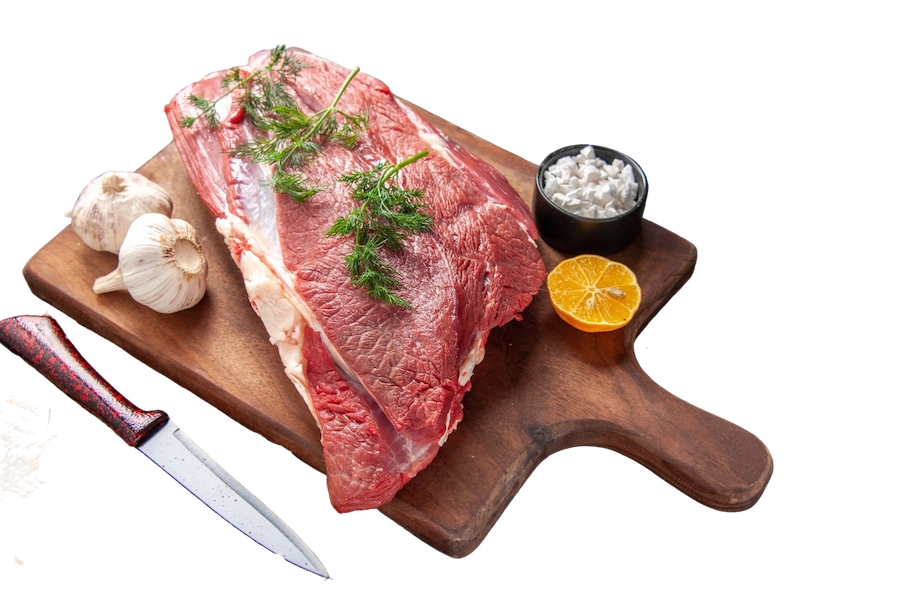
What Is Halal Meat Certification?
Halal meat certification verifies that meat and poultry are produced in full accordance with Shariah compliance principles and Islamic dietary law, covering animal sourcing, feed, slaughter, processing, packaging, and distribution.
The process is an audit-backed compliance review, confirming the use of permissible animal sources, absence of prohibited substances, and proper documentation, hygiene, and segregation protocols under recognized halal standards.
Certified businesses can display the HalalWatch halal logo authorization, a trusted signal for Muslim consumers in the U.S. and export markets worldwide.
Who Needs Halal Meat Certification?
Our all halal certification services cover every business type in the meat supply chain, including:
- Livestock farms and feedlots supplying animals for slaughter
- Slaughterhouses and processing plants seeking halal slaughter certification
- Further-processing facilities adding marinades, seasonings, or packaging
- Distributors and cold-chain operators handling halal products
- Retailers and food-service operators requiring verified halal stock
- Exporters targeting Muslim-majority and halal-regulated overseas markets
If your operation touches meat at any point in the supply chain, our team can assess your meat compliance requirements and design a certification pathway that fits your scale and market goals.
What Are the Slaughter Requirements for Halal?
Proper slaughter, performed according to Islamic slaughter methods, is the foundation of halal meat certification. Animal welfare and halal compliance are essential at every step.
Qualified Muslim Slaughterman
All slaughterers at certified facilities must be Muslim, with verified training, faith documentation, and ongoing competency records included in the halal audit checklist.
Intention (Niyyah) & Tasmiyyah
The slaughterman must consciously acknowledge the act of slaughter under Shariah compliance and pronounce the name of Allah (Bismillah) immediately before each cut. Mechanical or pre-recorded invocations are not accepted.
Physical Slaughter Method & Carcass Processing Compliance
The animal must be alive, healthy, and slaughtered with a sharp blade severing major vessels in a single swift motion. Stunning methods require pre-approval to ensure the animal remains alive through the cut. Carcass processing compliance begins here and continues through packaging.
Animal Condition, Welfare, and Feed
Animals must be disease-free and humanely handled. Feed is reviewed to ensure no consumption of prohibited substances, and only permissible animal sources are used. Quarantine on a fully halal diet and ongoing inspections with certified supplier documentation maintain compliance.
Understanding Meat Halal Certification Compliance
Halal meat certification requires documented slaughter procedures, validated hygiene systems, segregation controls, and full traceability from animal sourcing through final packaging. Effective meat compliance halal programs combine Shariah compliance principles with structured audit oversight to maintain certification integrity across the entire supply chain.
How Is a Facility Inspected for Halal Compliance?
A facility inspection for halal meat covers the physical environment, operational systems, personnel competency, and documentary records. Inspections are conducted by HalalWatch-certified auditors and assess the following areas.
Slaughterhouse Hygiene Standards All surfaces, tools, and equipment that contact halal meat must meet slaughterhouse hygiene standards aligned with the STIC principles — Sanitation, Traceability, Integrity, and Composition. Sanitation Standard Operating Procedures (SSOPs) must be fully documented and actively enforced throughout the facility.
Dedicated Halal Processing Lines In environments where halal and non-halal products are both processed, dedicated halal lines must be implemented to prevent cross-contamination. In high-risk shared-tool environments, rigorous SSOP documentation, ATP swab testing, and defined sanitization cycles are required before any halal processing run.
Segregation Protocols Segregation protocols govern separate processing times, segregated cold storage, and clearly marked halal labeling throughout the facility. Products must remain identifiable as halal from the point of slaughter through to final packaging and dispatch. Halal meat labeling standards must be consistently applied at every handoff point in the supply chain.
Trained Halal Enforcement Director (HED) Every certified facility must appoint a qualified Halal Enforcement Director responsible for overseeing daily compliance, managing corrective actions, maintaining the halal audit checklist, and liaising with HalalWatch auditors. Staff across the facility complete structured halal sensitivity training and halal systems implementation training as part of the onboarding process.
What Documents and Records Are Required?
Traceability documentation is a core pillar of halal slaughter compliance and a primary focus of every halal meat audit review. End-to-end traceability, from farm to final packaging, must be demonstrable through verified records at each stage of the supply chain.
Required documentation typically includes:
- Animal sourcing records and certified supplier documentation confirming permissible animal sources
- Feed composition and inspection logs demonstrating absence of prohibited substances
- Slaughterman credentials, training certificates, and shift attendance records
- SSOP records and ATP swab testing results for shared equipment
- Meat ingredient verification records for marinades, seasonings, enzymes, emulsifiers, and processing aids
- Packaging material approval confirming halal-compliant food-contact materials
- Halal audit checklist records from internal and third-party reviews
- Corrective action logs for any non-conformities identified during audits
Gaps in traceability documentation are among the most common causes of certification delays. Our compliance team will identify and help you close those gaps well before the formal audit begins.
Preventing Cross-Contamination in Halal Meat Processing
Cross-contamination prevention is a non-negotiable element of meat halal certification. Any contact between halal products and non-halal items, equipment residues, or prohibited substances invalidates the halal status of the affected batch. HalalWatch requires the following controls:
- ATP Swab Testing: All shared equipment and contact surfaces must pass ATP swab verification before halal processing begins.
- Transport Controls: Refrigerated vehicles used to move halal meat must be verified clean or subjected to full sanitization and documented re-approval before halal use.
- Product Segregation: Separate processing schedules, labeled storage zones, and distinct packaging runs maintain the integrity of halal product lines.
- Ingredient and Additive Verification: All marinades, seasonings, preservatives, enzymes, and processing aids, including food-contact packaging materials, are reviewed and approved as part of meat ingredient verification under our certification scope.
Halal Meat Export Certification: Accessing International Markets
Export market acceptance for halal meat depends on country-specific regulatory recognition. Many Muslim-majority nations, including those in the Middle East, Southeast Asia, and North Africa, require halal certificates issued by an accredited certification body before import approval is granted.
HalalWatch holds accreditation from multiple internationally recognized halal bodies, including the Muslim Judicial Council (South Africa), CICOT (Thailand), and the National Independent Halal Trust, enabling our certificates to support export compliance in a wide range of regulated markets.
Our export support services include country-specific halal certificate preparation and notarization, facility registration documentation for importing country authorities, enhanced traceability records and full audit trails, and guidance on regulatory variations between target export markets.
To discuss your requirements, speak with a halal meat compliance expert on our international team.
What Happens If Non-Conformities Are Found During a Halal Audit?
When auditors identify non-conformities during a facility inspection or ongoing compliance review, a structured corrective action process is initiated immediately. Affected product batches are quarantined and may not be marketed as halal until the issue is resolved and re-verified.
The corrective action process includes root-cause analysis, updated SSOP documentation, retraining of relevant staff, and a follow-up audit to confirm full resolution. HalalWatch provides hands-on support throughout this process to minimize operational disruption and restore compliant halal status as quickly as possible.
Why Choose HalalWatch for Halal Meat Certification?
- 40+ Years of Experience — America’s longest-established halal certification authority.
- Internationally Recognized Standards — Accredited by MJC (SA), CICOT (Thailand), NIHT, and recognized by New York State Agriculture and Markets.
- Livestock Processing Expertise — Deep specialist knowledge of slaughterhouse operations, carcass processing compliance, and halal meat labeling standards.
- Audit-Backed Compliance Review — Every certification is underpinned by rigorous on-site inspection, not paperwork alone.
- Export Market Coverage — Certificates recognized by importing authorities across the Middle East, Southeast Asia, Africa, and beyond.
- Ongoing Support — We stay engaged throughout your certification cycle, not just at audit time.
Request a meat certification quote and receive your tailored proposal within 24 hours. Prefer to talk first? Speak with a halal meat compliance expert on our team today.
Explore our full range of all halal certification services, including beverages, dairy, pharmaceuticals, flavors, and more
industries we serve
Is Your Product Ready for Halal Certification?
Get a Free Expert Evaluation Today
Discover if your ingredients, processes, and facilities align with Islamic dietary laws.
Start your Free Halal Compliance Check now — no obligation!

Halal Meat Certification Process
The halal meat certification can be done through the following certifcation process:

Make Contact
Reach out to begin your halal certification for meat and poultry.

accept proposal
Approve the tailored certification plan designed for your business.

down payment
Confirm your application by submitting the initial payment.

Submit docs
Provide sourcing details, slaughtering methods, and required documents.

audit
Our experts inspect facilities and processes to ensure halal compliance.

halal certify
Obtain your official halal certificate for meat and poultry products.
FAQs
What qualifies meat as halal-certified?
How long does halal meat certification take?
Can a non-Muslim-owned facility be halal-certified?
How long is halal meat certification valid?
Is halal meat certification accepted internationally?
What happens if a contamination issue is found?
What are the key documents I need to submit?
Testimonials
Posted onTrustindex verifies that the original source of the review is Google. I love it! It’s so helpful and easy to keep track of things we are consuming and making sure everything is halal for us Muslim brother and sisters!Posted onTrustindex verifies that the original source of the review is Google. Great and professional organization! Very respectful responsive and really do their thoroughly. We been dealing with them for few years and it has been a great experiencePosted onTrustindex verifies that the original source of the review is Google. Great customer services!!Posted onTrustindex verifies that the original source of the review is Google. What stands out most about Halal Watch World is its unwavering commitment to integrity and excellence. I’ve seen firsthand how dedicated the company is to providing clients with the best service and ensuring they meet the highest halal standards. If you’re looking for a reliable and trustworthy partner for your halal certification needs, Halal Watch World is the clear choice. It’s a company that truly values quality, professionalism, and making a positive impact in the industry.Posted onTrustindex verifies that the original source of the review is Google. A compassionate , conscientious company. Constantly striving to meet the needs of the community. We highly recommend them.