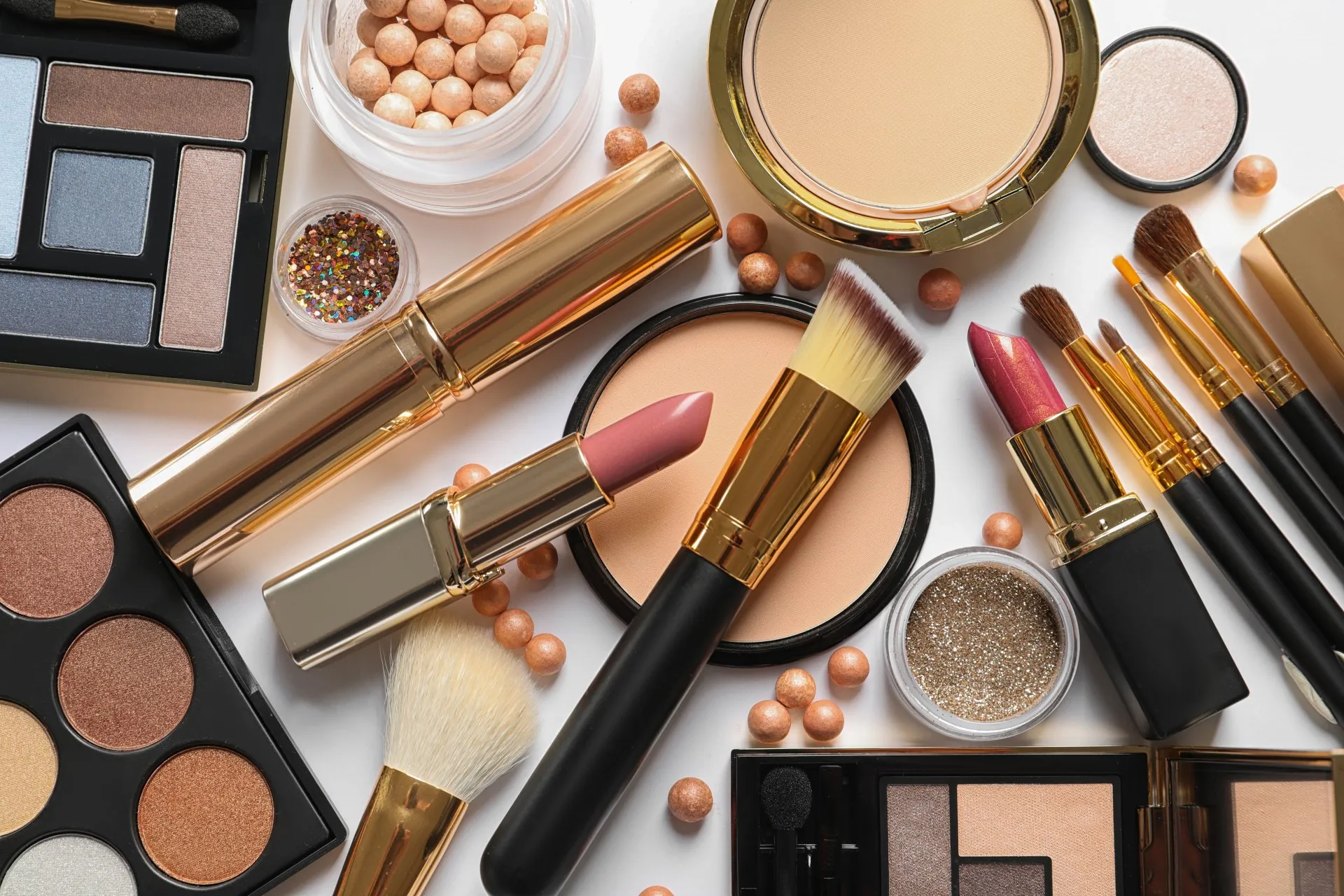
Cosmetics raise questions about ingredient sources, processing, and what a certifier actually includes in its documented scope.
Organic, vegan, and cruelty-free labels describe different attributes; none, on its own, establishes the halal status of a whole product. A halal cosmetics certification should be understood within the products and facilities it covers, not as a blanket promise about every ingredient or manufacturing condition.
This guide explains common evidence questions for halal cosmetics without assigning a status to every formulation.
Questions of modesty and worship involve individual circumstances and religious guidance beyond this product-focused overview. This article addresses how evidence supports a product claim, not a ruling on personal cosmetic use.
What you need to know about the halal cosmetic industry:
For a cosmetics business, identifying the products, formulas, suppliers, and manufacturing activities proposed for review is more useful than relying on an unsourced market forecast. The certifier can then determine which evidence and facility controls apply to that scope.
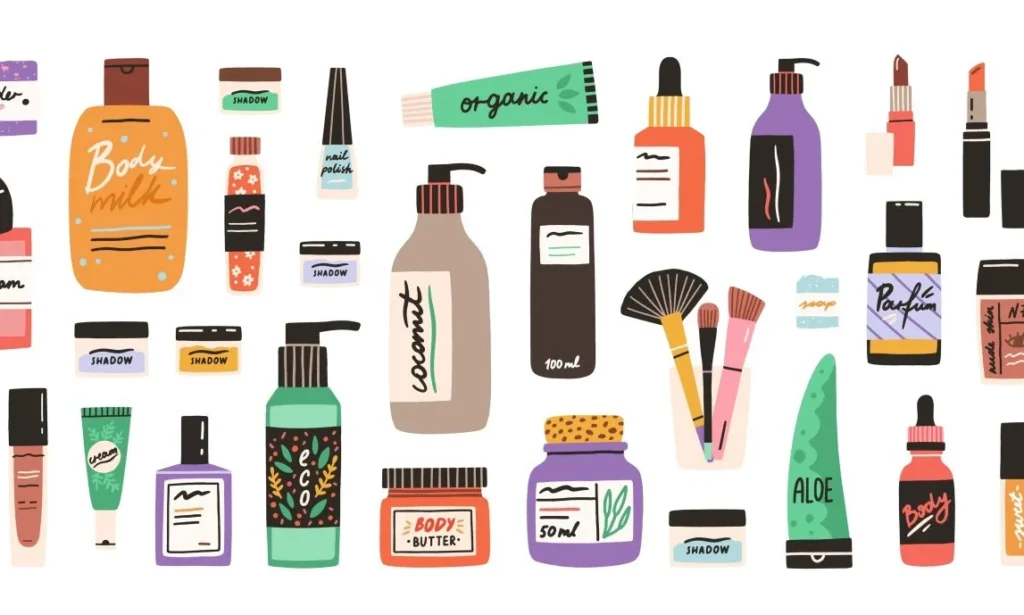
What you need to know about halal certification:
Cosmetics may include animal-derived ingredients, solvents, colorants, and processing aids whose sources are not clear from a consumer-facing label. A scope-specific halal certification review considers product composition and supplier evidence alongside the relevant manufacturing environment. The applicable HIPS standards and the approved scope guide the review; neither an ingredient name nor a cosmetic label settles the status of every formulation.
Halal Watch World evaluates the documented scope and evidence collected through its certification process before an independent decision. Requirements and service terms depend on the proposed product, facility, and engagement; this article is not a universal checklist, price quote, or processing-time estimate.
What you need to know about nails:
Questions about nail-polish ingredients and whether a coating allows water to reach the nail during ablution are distinct. A halal ingredient or product certificate does not by itself establish water permeability or answer an individual's question about wudu. Check the product's current certified scope and seek appropriate religious guidance on worship questions rather than treating marketing terms such as "breathable" as proof.
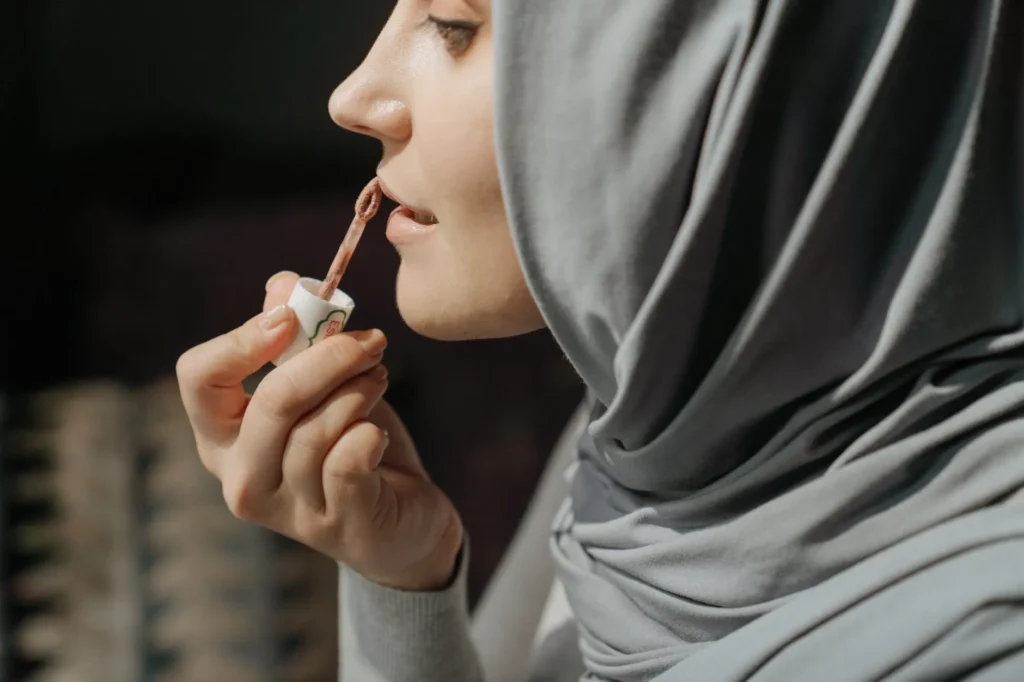
What you need to know about lips:
Carmine can be listed under different ingredient names, and its source may matter for a halal assessment. A product's complete composition and the positions applied by the certifier should be checked before assuming a ruling from the label alone.
Beeswax can also be present in a lip product. The status of an entire formulation cannot be established by one ingredient or by a vegan or cruelty-free marketing label; check the current certified scope and supporting evidence for the particular product.
What you need to know about animal-derived ingredients:
Certification applies to the products and facilities stated in its current scope; an ingredient name alone does not settle the status of a complete formulation. For an uncertified product, ask the manufacturer about ingredient origins when those details matter.
1. Gelatin
Gelatin may be derived from different sources. Its source and processing require evidence appropriate to the applicable review; do not infer one ruling for every product from the word "gelatin" alone.
2. Glycerin
Glycerin may come from plant, synthetic, or animal sources. The actual source and processing history, rather than the ingredient name by itself, inform a scope-specific assessment.
3. Lanolin
Lanolin is derived from wool. The origin and processing of an ingredient, together with the remainder of the formulation, should be assessed within the applicable product scope.
Consumers can use current public certificate or product records to check which products are actually included, rather than relying on an undated list of companies. Manufacturers can request a scope review with product, supplier, and facility information. Certification is a documented decision about an assessed scope, not a promise about every product, market, or commercial outcome.
Is Your Product Ready for Halal Certification?
Start With the Needs Assessment
Discover if your ingredients, processes, and facilities align with Islamic dietary laws.
Start your Needs Assessment now to begin scope review.
