
Halal Certification for Pharmaceuticals & Supplements
Halal certification for pharmaceuticals and supplements confirms that medicines, vitamins, capsules, and health products contain only permissible ingredients and are manufactured in compliance with Islamic dietary standards. With nearly 2 billion Muslims worldwide, pharmaceuticals halal certification has become a critical business imperative for manufacturers seeking to serve this expanding global market with confidence, compliance, and trust.
This certification covers the evaluation of active pharmaceutical ingredients (APIs), excipients and additives, capsule materials, alcohol content, and manufacturing processes to ensure full halal compliance in line with Islamic dietary law and internationally recognized halal standards.
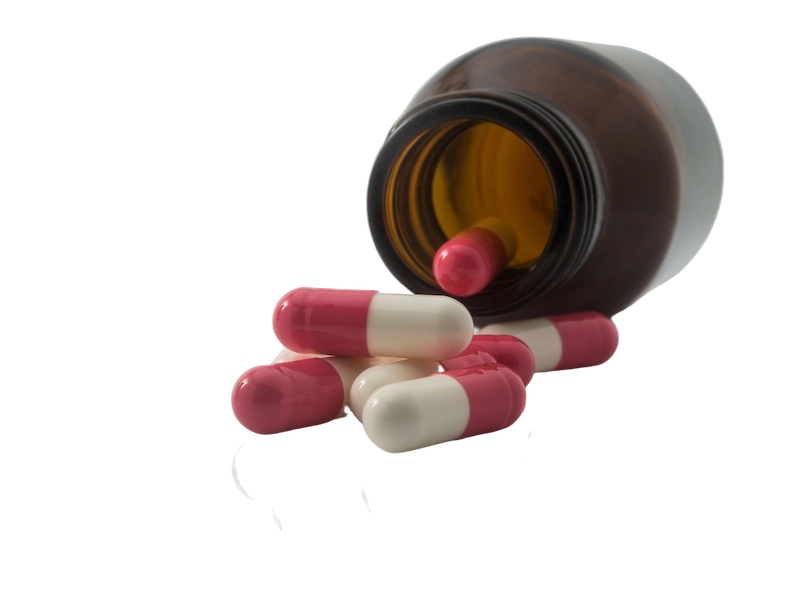
What Is Pharmaceuticals Halal Certification?
alal pharmaceutical certification is a formal verification process that confirms medicines, dietary supplements, nutraceuticals, and health products comply with Islamic dietary law (Shariah compliance). It goes beyond simply avoiding pork or alcohol, it is a complete halal assurance system that evaluates ingredient origin, manufacturing segregation protocols, supply chain transparency, and facility hygiene.
The global halal pharmaceutical market is projected to reach $174.59 billion by 2025. For manufacturers, halal medicine compliance is no longer optional, it is a strategic requirement for accessing Muslim-majority markets across Southeast Asia, the Middle East, and beyond.
The Quran emphasizes the principle of purity (taharah) that underpins halal certification:
“Eat from what is lawful and pure on the earth, and do not follow the footsteps of Satan…” (Al-Quran 2:168)
Why Halal Certification Matters for Pharmaceutical Manufacturers
Muslim consumers are increasingly health-conscious and informed. They require assurance that even medications and supplements respect their faith. Obtaining halal certification for supplements and medicines enables your business to:
- Expand into Muslim-majority markets including Malaysia, Indonesia, UAE, Saudi Arabia, and Pakistan
- Build trust with religiously observant consumers who scrutinize ingredient sourcing
- Comply with international halal standards required by import regulations in many countries
- Strengthen brand credibility, market positioning, and long-term sales potential
- Demonstrate commitment to ethical, inclusive, and GMP-aligned halal compliance
What We Certify: Halal Nutraceutical & Pharmaceutical Products
Our halal certification services cover the full range of pharmaceutical and health product categories:
- Pharmaceutical Products — Tablets, capsules, syrups, injectables, and active pharmaceutical ingredients (APIs)
- Nutraceuticals — Dietary supplements, vitamins, functional foods, and herbal products
- Cosmeceuticals — Medicated skincare, topical formulations, and wellness products
- Manufacturing Facilities — End-to-end plant certification and halal audit of production lines
You can explore our full range of healthcare product certification services to see how halal certification applies across pharmaceutical, nutraceutical, and health product manufacturing sectors.
Key Halal Compliance Requirements for Pharmaceuticals
Our halal nutraceutical certification process ensures that your products meet every dimension of Islamic law and globally recognized halal standards. These pharmaceutical compliance requirements include ingredient verification, capsule material review, manufacturing segregation protocols, and supply chain documentation. The halal audit checklist includes verification of the following critical areas:
Halal Pharmaceutical Ingredient Verification
Every active pharmaceutical ingredient and excipient is evaluated for halal compliance. Halal excipient verification includes confirmation that binders, coatings, fillers, capsule shells, and solvents are free from prohibited (haram) substances.
Our compliance process also includes a halal medicine formulation review, which evaluates the complete product composition to confirm that every component used in the formulation complies with Islamic dietary law. This review verifies ingredient origin, processing methods, and compatibility with halal pharmaceutical ingredient verification standards before certification approval.
Ingredient traceability documentation must confirm:
- Absence of pork-derived gelatin, enzymes, and lipids
- Animal-derived ingredients sourced exclusively from halal-slaughtered animals with documented proof
- Alcohol solvents are non-intoxicating and within permissible limits (under 0.5–1% where medically necessary)
- No insect-based compounds such as carmine (cochineal) or shellac
- Plant-based and synthetic ingredients verified as permissible
Halal Capsule Shell Compliance
One of the most common non-compliance issues in pharmaceutical products is the use of porcine gelatin in capsule shells. Our halal capsule gelatin verification process confirms that all gelatin is sourced from fish or halal-slaughtered cattle, with full supplier verification and halal slaughter documentation. Alternatively, plant-based (HPMC) capsule materials are certified as inherently halal-compliant.
Halal Manufacturing Hygiene Standards & Segregation
Facilities must demonstrate manufacturing segregation protocols to prevent cross-contamination between halal and non-halal production lines. Our halal nutraceutical manufacturing audit evaluates:
- Equipment cleaning validation and dedicated halal production scheduling
- Staff training on halal handling and facility hygiene standards
- Documented sanitation procedures aligned with GMP-aligned halal compliance
- Clear physical or procedural separation from haram substance handling areas
Halal Pharmaceutical Supply Chain & Supplier Verification
Halal supplement ingredient compliance depends on a transparent, traceable supply chain. Our supplier verification process includes global supplier audits, review of certificates of analysis, halal compliance declarations, and ongoing monitoring to ensure that every ingredient entering your facility meets Islamic dietary law requirements. Ingredient traceability documentation is maintained throughout for audit readiness.
Permissible (Halal) vs. Prohibited (Haram) Pharmaceutical Ingredients
Here’s what is included in Permissible (Halal) vs. Prohibited (Haram) Pharmaceutical Ingredients
Halal Ingredients Include:
- Plant-derived excipients, binders, and coatings
- Fish gelatin or gelatin from halal-slaughtered animals with documented halal slaughter verification
- Synthetically manufactured vitamins, APIs, and amino acids
- Marine oils, beeswax, and honey from ethically verified halal sources
- Non-intoxicating, non-fermented processing alcohols within permissible concentration limits
- HPMC and other plant-based capsule materials
Haram Ingredients Include:
- Pig-derived gelatin, lard, porcine enzymes, and lipids
- Animal derivatives from animals not slaughtered according to Islamic law
- Fermentation-derived alcohol used as an active ingredient or preservative
- Insect-derived colorants including carmine (E120) and shellac (E904)
- Blood and blood by-products used in manufacturing
Who Needs Halal Pharmaceutical Certification?
You should pursue halal certification for supplements and medicines if your business:
- Exports to Muslim-majority countries such as Malaysia, Indonesia, UAE, Saudi Arabia, Turkey, or Pakistan
- Produces OTC drugs, dietary supplements, or nutraceuticals using animal-derived, complex, or alcohol-containing ingredients
- Manufactures health products requiring halal capsule shell compliance or gelatin source verification
- Seeks to position its brand as ethical, inclusive, and compliant with global religious dietary standards
- Is entering new markets requiring halal ingredient documentation standards and regulatory compliance
If you are evaluating certification for supplements or nutraceutical products, you can also review supplement certification pricing to understand the expected certification costs and requirements for your product category.
Benefits of Working with Us for Halal Medicine Compliance
Here’s what we offer when you work with us:
- Full Compliance: We align your products and facilities with internationally recognized halal standards and Islamic dietary law requirements.
- Industry Expertise: Deep knowledge of pharmaceutical ingredient compliance, nutraceutical manufacturing, and Islamic dietary regulations.
- Comprehensive Audits: From pharmaceutical ingredient verification to full facility halal manufacturing hygiene assessments.
- Global Market Access: Open doors to Southeast Asia, the Middle East, Europe, and any market where halal certification is required or preferred.
- Brand Advantage: Enhance your brand value with a trusted, GMP-aligned halal compliance credential that resonates with Muslim consumers worldwide.
- Fast Turnaround: Efficient halal supplement labeling requirements review, documentation support, and audit scheduling to minimize time-to-market.
You can also review the supplement halal certification steps to understand how ingredient verification, documentation review, and facility audits are completed during certification.
industries we serve
Is Your Product Ready for Halal Certification?
Get a Free Expert Evaluation Today
Discover if your ingredients, processes, and facilities align with Islamic dietary laws.
Start your Free Halal Compliance Check now — no obligation!

Certification Process
The halal certification in Pharmaceuticals & Supplements can be done through the following process:

Make Contact
Connect with us to start halal certification for your pharma or supplements.

accept proposal
Approve the tailored certification plan designed for your products.

down payment
Proceed with the initial payment to confirm your application.

Submit docs
Provide formulations, ingredients, and all required documentation.

audit
Our auditors review facilities and processes for full halal compliance.

halal certify
Obtain your official halal certificate for pharmaceuticals and supplements.
FAQs
What is halal certification for pharmaceuticals?
Do supplements require halal certification?
Are gelatin capsules halal?
What ingredients make a medicine non-halal?
How are pharmaceutical facilities audited for halal compliance?
What documentation is required for supplement certification?
Can medicines contain alcohol in halal certification?
Is halal pharmaceutical certification recognized globally?
Testimonials
Posted onTrustindex verifies that the original source of the review is Google. I love it! It’s so helpful and easy to keep track of things we are consuming and making sure everything is halal for us Muslim brother and sisters!Posted onTrustindex verifies that the original source of the review is Google. Great and professional organization! Very respectful responsive and really do their thoroughly. We been dealing with them for few years and it has been a great experiencePosted onTrustindex verifies that the original source of the review is Google. Great customer services!!Posted onTrustindex verifies that the original source of the review is Google. What stands out most about Halal Watch World is its unwavering commitment to integrity and excellence. I’ve seen firsthand how dedicated the company is to providing clients with the best service and ensuring they meet the highest halal standards. If you’re looking for a reliable and trustworthy partner for your halal certification needs, Halal Watch World is the clear choice. It’s a company that truly values quality, professionalism, and making a positive impact in the industry.Posted onTrustindex verifies that the original source of the review is Google. A compassionate , conscientious company. Constantly striving to meet the needs of the community. We highly recommend them.